How Farmers Are Using Agrivoltaics to Boost Yields and Sustainability
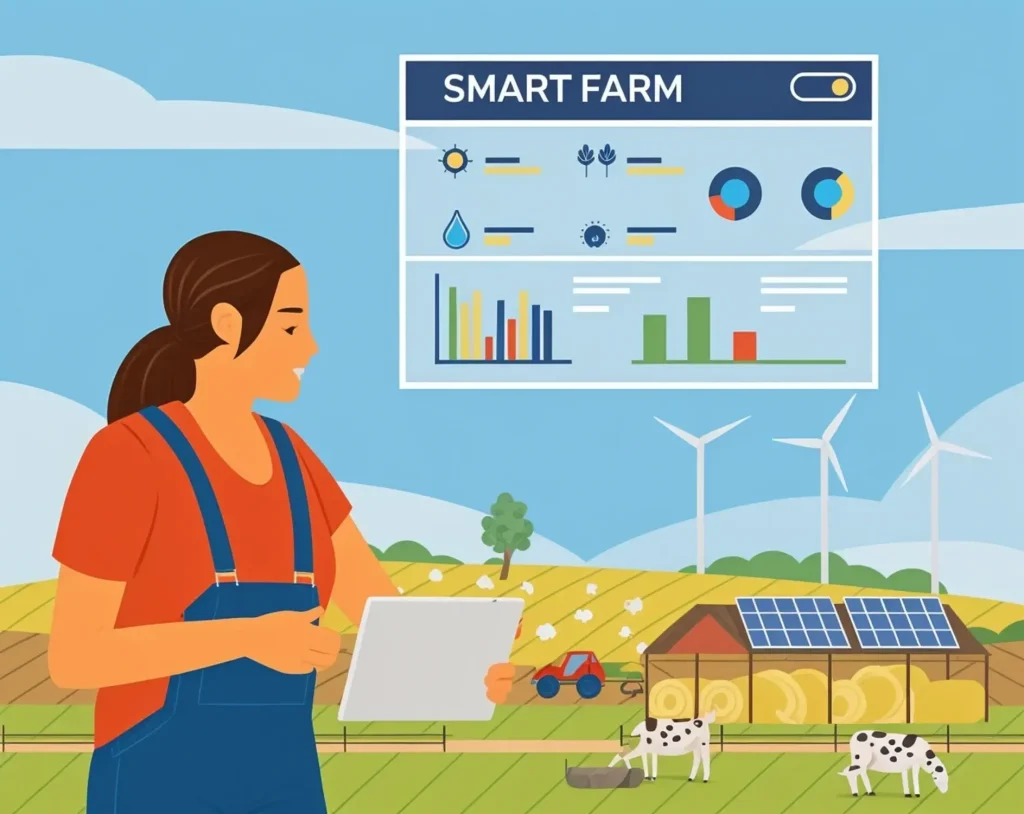
As climate change pressures agriculture, farmers are increasingly adopting agrivoltaics to merge crop cultivation with solar energy generation. This innovative practice not only enhances sustainability but also boosts yields, making it a crucial topic for today’s agricultural landscape.
The Urgency of Agrivoltaics in Modern Farming
Agrivoltaics represents a vital solution for contemporary farmers facing rising challenges such as climate change and food security. The increasing demand for sustainable farming practices highlights the importance of optimizing land use. By integrating solar energy production with traditional farming, agrivoltaics addresses the dual challenge of providing food and energy efficiently.
The need for food security has never been more critical, especially as global populations grow. Agrivoltaics offers a powerful method to ensure that agricultural outputs can meet these demands while utilizing land more efficiently. This dual-use solution allows farmers to produce food while generating renewable energy, which helps in reducing the carbon footprint associated with agricultural practices.
Agrivoltaics: A Dual-Purpose Solution
The integration of solar panels into farming operations significantly contributes to agricultural productivity. By providing shade, solar panels can create a favorable microclimate for crops, enhancing growth and potentially increasing yields. For example, shaded crops often require less irrigation, as the cooler environment reduces evaporation rates. This phenomenon illustrates how solar energy generation and agricultural productivity can coexist harmoniously.
Moreover, data from recent studies suggest that agrivoltaics not only boosts crop yield but also enhances soil health by promoting moisture retention. This synergy between solar power and agriculture offers a sustainable model that benefits both farmers and the environment.
Current Success Stories in Agrivoltaics
Many farms around the world are already successfully implementing agrivoltaics. For instance, several case studies highlight how farmers have managed to increase their crop yields significantly while generating solar energy. These farms benefit economically from a diversified income stream, which can insulate them from fluctuating market prices for agricultural products.
However, adopting this innovative technology is not without challenges. Farmers often face issues like high initial costs and the need for local government support to facilitate infrastructure development. Yet, the long-term benefits of increased yields and energy production make agrivoltaics an attractive option for forward-thinking farmers.
Economic Impact of Combining Agriculture and Solar
The economic value created by agrivoltaics extends beyond individual farms. By reducing operational costs and increasing profit margins, agrivoltaics presents significant potential for rural economic development. Farmers can reduce their reliance on external energy sources, which can be particularly beneficial in regions where energy prices are high.
Local governance plays an essential role in this landscape. According to various analyses, community support and financial incentives can aid in overcoming barriers to adoption. Encouraging farmer participation can also lead to enhanced project funding and the development of a more cohesive agricultural and solar energy system.

Blockchain Innovation in Agrivoltaics Deployment
In the age of digital transformation, blockchain technology holds promise for agrivoltaics. By introducing transparency in solar energy credits and agricultural practices, blockchain can help farmers connect with energy markets more effectively. This innovation not only ensures fairness in pricing but also enhances farmer participation through digital assets.
Blockchain’s potential goes beyond financial transactions. It can also facilitate data sharing on crop conditions and farming practices, further encouraging collaboration among farmers. As noted by experts, the integration of digital tools improves efficiency and accountability in agrivoltaic projects.
Engaging Communities in Agrivoltaics Expansion
Community involvement is crucial for the expansion of agrivoltaics. Local governments and farmer groups must work together to create a supportive environment for such initiatives. This collaboration can lead to shared knowledge and resources, enabling a smoother implementation process for new technology.
Engagement strategies may include workshops, informational sessions, and collaboration with agricultural institutes. By fostering knowledge sharing, stakeholders can build confidence in agrivoltaics, paving the way for broader adoption. The benefits of such collaboration extend to improved environmental sustainability, as communities work to implement greener practices on a larger scale.
Steps Towards Implementing Agrivoltaics on Your Farm
For farmers considering the shift to agrivoltaics, practical advice centers on initial assessments and planning. Assess the land’s suitability for solar energy generation alongside current agricultural practices. Essential considerations include the type of crops grown, existing infrastructure, and potential funding options.
Resources such as government grants or agricultural innovation funds may provide financial assistance. Furthermore, ongoing research in agrivoltaics indicates that this technology will continue to evolve, presenting new opportunities for farmers to integrate renewable energy into their systems efficiently.
In conclusion, as farmers navigate the complexities of climate change and economic pressures, agrivoltaics stands out as a promising solution that harmonizes agricultural productivity with renewable energy generation. Its potential to improve yields while promoting sustainability makes it a crucial focus area for the future of farming.
About The Author