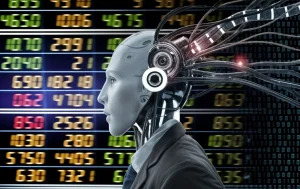
Why Bitcoin Miners Are Ditching Crypto for AI Workloads

The convergence of the digital economy with emerging technologies is dramatically reshaping how industries evolve. Bitcoin miners are pivoting towards AI workloads as they seek to diversify revenue streams and respond to a rapidly changing market landscape. This strategic shift not only raises questions about the future of Bitcoin but also has profound implications for the entire crypto landscape.
Blockchain’s Role in the Digital Economy
Blockchain technology, the backbone behind Bitcoin, is crucial for the functioning of the digital economy. Its capacity to provide secure, transparent transactions has made it a favored choice for many sectors. With blockchain, financial transactions can be processed more efficiently, enhancing the security of sensitive data. This ties into a larger narrative where cryptocurrencies are gradually merging with innovative technologies like AI, which can further improve operational efficiencies in blockchain environments. The efficient data management capabilities offered by AI can streamline blockchain transactions, as highlighted by recent reports.
Moreover, as financial institutions explore blockchain-infused solutions, the possibilities for digital finance expand. Traditional and decentralized finance, while differing in philosophy, can potentially create an even more integrated economic model in which Bitcoin plays a pivotal role.
Challenges Facing Bitcoin Miners
Bitcoin mining operations face a multitude of challenges today. The environmental impact, largely due to the enormous energy consumption associated with mining, has attracted significant scrutiny. Critics argue that Bitcoin mining’s carbon footprint is unsustainable, and regulatory measures are being instituted to curb its impact. Energy consumption has skyrocketed, prompting many miners to reconsider their strategies in the face of rising costs and tighter regulations.
Additionally, the volatility inherent in the crypto markets creates a precarious landscape for miners. According to industry experts, fluctuations in Bitcoin prices can substantially affect profitability and operational viability. As miners navigate these turbulent waters, some have begun to explore more stable revenue streams through AI, marking a shift that could redefine the sector’s future.
The Shift Towards AI Workloads
The transition from Bitcoin mining to AI workloads is not merely a trend; it’s becoming a business necessity. Many Bitcoin mining companies are adapting their infrastructure to serve emerging AI clients. This pivot allows them to leverage existing data centers, enabling them to provide AI computational power while trimming down some of their Bitcoin mining operations. Companies like Core Scientific and CleanSpark are prime examples of this shift. By enhancing their facilities for AI workloads, they not only ensure consistent revenue streams but also strengthen their competitive edge in hybrid markets.
For instance, CleanSpark recently reported a significant performance boost, raising $1.15 billion for expanding their data center footprint, showcasing how such strategies enhance stock performance and market positioning. According to their recent stock performance metrics, Core Scientific shares rose by 10%, while CleanSpark saw an impressive 25% uptick this year, indicating the lucrative potential of their new business model.
Current Trends in the Crypto Markets
The crypto market is undergoing rapid transformation, and recent trends suggest that Bitcoin is at a crossroads. Institutional investors play a pivotal role in shaping market dynamics—often dictating trends based on where they choose to allocate resources. In addition, the rise of AI tools is beginning to influence trading strategies in significant ways. As AI algorithms analyze vast amounts of market data, traders are finding new opportunities to capitalize on price movements efficiently.
A notable trend is the increased adoption of both AI and cryptocurrency during the holiday season, as reported by Visa. Their findings show that nearly 47% of Americans utilized AI tools while shopping, reflecting a seamless integration of technology into everyday transactions. This suggests that crypto markets may soon experience a surge in participation, especially from demographic segments such as Gen Z, who are leading the charge towards a more digital economy.

Strategies for Adapting to Emerging Technologies
To thrive in this evolving landscape, businesses must adopt adaptable strategies that integrate AI with their digital assets. Companies need to recognize the importance of partnerships with tech giants like Amazon and Microsoft, who can provide critical infrastructure and support. Retaining a balanced approach towards both Bitcoin and AI operations is essential for long-term sustainability.
Here are actionable steps for businesses:
– Invest in AI Capabilities: Allocating resources to integrate AI tools can provide significant operational advantages.
– Explore Partnerships: Collaborating with technology leaders can enhance infrastructure and innovate solutions more rapidly.
– Monitor Market Trends: Staying updated on crypto market movements will inform better decision-making around asset management.
By navigating these strategies, companies can effectively leverage emerging technologies while remaining resilient in the face of market challenges.
Implications for the Future of Digital Assets
The evolution of AI showcases immense potential to influence cryptocurrency adoption flexibly. As technology advances, innovations like AI could significantly enhance security protocols for digital currencies, potentially reassuring investors and users alike. Gen Z, in particular, is driving demand for digital payment methods and cryptocurrency adoption. Notably, a substantial 45% of Gen Z customers prefer receiving gifts in cryptocurrency, signaling a cultural shift towards accepting digital assets as part of daily transactions, as aptly illustrated in Visa’s report.
Furthermore, the role of AI in improving transaction security could diminish fears surrounding digital currencies. As AI algorithms become more sophisticated, they can effectively manage risks associated with cyber threats, which could enhance public confidence in digital assets. Overall, the integration of AI in the digital economy not only enriches the operational landscape for Bitcoin miners but also positions cryptocurrencies as viable components of future financial systems.
About The Author