How AI Developers Are Using io.net to Slash Costs by Up to 90%

As AI evolves, businesses face the dual challenge of maintaining performance while minimizing expenses. io.net emerges as a groundbreaking solution, reducing computing costs significantly through a decentralized network, making high-performance computing accessible and affordable.
Transforming AI Development with io.net
AI development is experiencing a transformative shift with the advent of io.net, which enables developers to harness a decentralized physical infrastructure network. This innovative approach allows for the pooling of unused GPU power from various contributors, effectively reducing operational costs. By utilizing decentralized resources, AI developers can save up to 90% on computing expenses compared to traditional cloud services, enhancing both accessibility and performance (Atomic Wallet).
As organizations look to streamline their processes, the benefits of a decentralized infrastructure become increasingly apparent. The efficient distribution of tasks across a network of nodes not only lowers costs but also improves resilience and uptime. Moreover, AI developers can deploy clusters in under 90 seconds, significantly speeding up project timelines and fostering a culture of rapid innovation.
The Importance of Cost Reduction in AI
The financial burden associated with traditional cloud computing is a considerable challenge for AI developers, especially as project scales increase. Expenses can quickly balloon due to high fees for computing power and data storage. For many startups and small businesses, these costs can be prohibitive, stunting innovation and limiting the exploration of new AI applications.
Reducing operational costs can enhance innovation. When AI developers are freed from the constraints of high expenses, they’re more likely to experiment with new ideas and technologies. A reliable and affordable computing solution empowers developers to push boundaries, creating more advanced AI applications. The connection between cost efficiency and operational performance cannot be overstated, as streamlined processes lead to better outcomes and faster results (CoinGecko).
Current Landscape of High-Performance Computing
The world of high-performance computing (HPC) is undergoing rapid change, with decentralized networks at the forefront of this evolution. Trends indicate a growing demand for flexible computing solutions that can accommodate varied workloads without the hefty price tag associated with traditional obsolescent systems.
Analysts predict that decentralized networks will play a crucial role in shaping the future of the HPC landscape. By facilitating resource-sharing among users, these models offer alternatives that meet the growing demands for computational power while significantly reducing costs. Insight into these trends shows that organizations adopting decentralized platforms not only save money but also gain the ability to scale operations efficiently.
Insights into the Decentralized Physical Infrastructure Network
A decentralized physical infrastructure network (DPIN) is a pivotal concept in contemporary computing. It allows for the effective utilization of idle computing resources across the globe, turning unused GPU capacity into a valuable asset for AI developers. This approach minimizes waste and maximizes resource utilization, benefiting all participants in the network.
Utilizing unused GPU power is essential in making computing resources more sustainable and accessible. Real-world applications demonstrate how organizations leverage this network to drive cost efficiencies while enhancing performance. For instance, many startups are already experiencing lower costs for their AI workloads, especially when they utilize the synergies generated by a shared decentralized network.
The Role of the $IO Token in Cost Efficiency
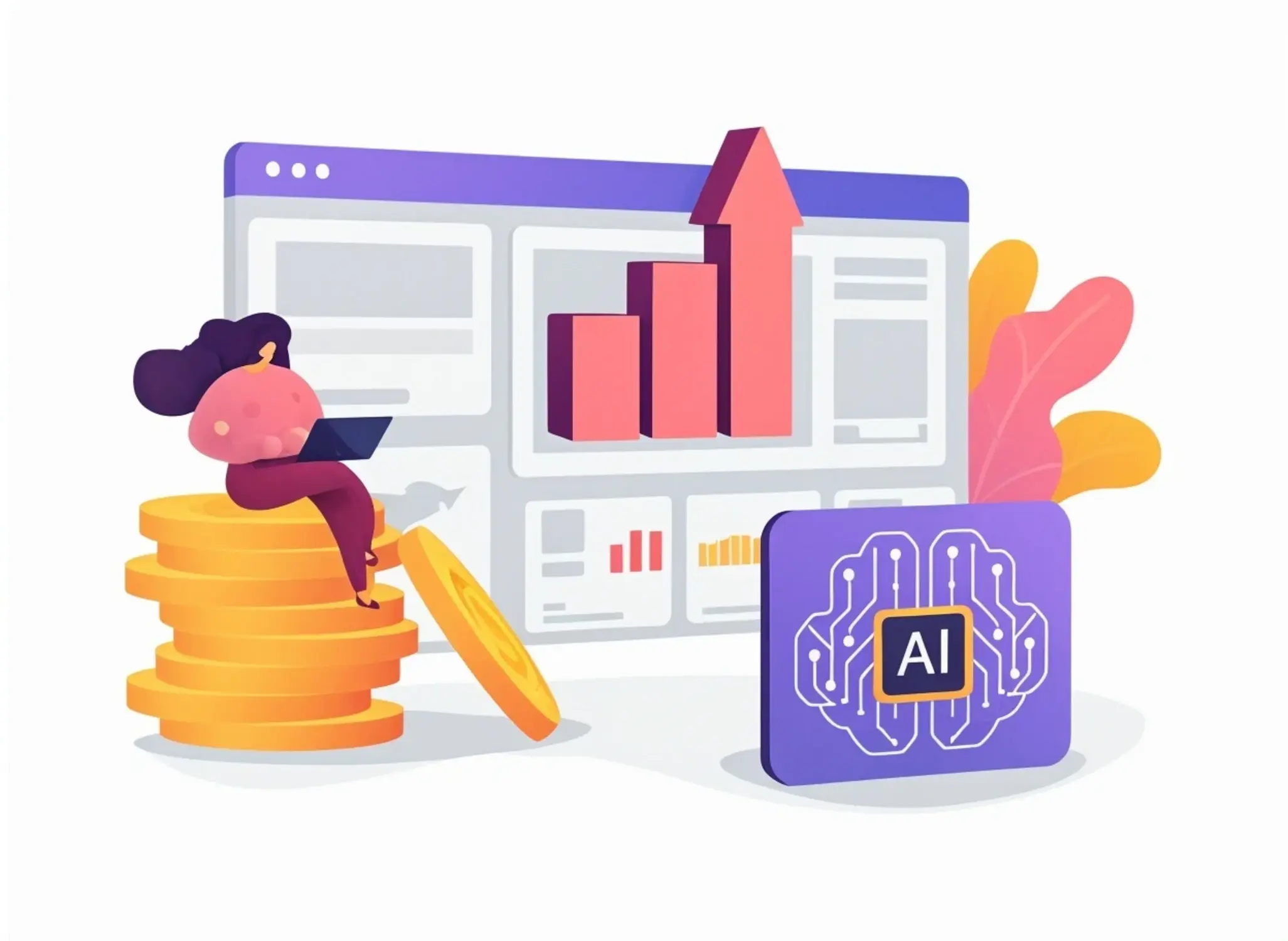
The $IO token is a critical element within the io.net ecosystem, facilitating a variety of services and transactions on the platform. This integration of blockchain technology ensures not only secure transactions but also enhances the transparency of operations. The token serves as a medium that incentivizes users to contribute their idle computing power, fostering a collaborative environment.
The importance of blockchain cannot be understated, as it establishes trust among users in an otherwise fragmented market. Through the efficient functioning of the $IO token, the io.net network presents an opportunity for developers to scale their AI applications while maintaining cost efficiency. Developers can innovate without the constant worry of escalating expenses thanks to this strategic framework.
Practical Steps for Developers to Leverage io.net
To effectively integrate io.net into their operations, AI developers should take actionable steps that ensure they maximize the platform’s benefits.
– Assess current computing needs: Evaluate the resources currently used and identify areas where io.net can provide cost benefits.
– Engage with the community: Connect with other users in the io.net network to share insights and best practices.
– Adopt emerging technologies: Explore smart contracts and other blockchain solutions that can enhance operational efficiency.
Utilizing decentralization effectively is crucial for developers looking to leverage new technologies in AI. As the industry evolves, staying informed about trends and advancements becomes essential for sustaining a competitive edge.
About The Author