The Hidden Truth About io.net’s Role in Ecosystem Growth
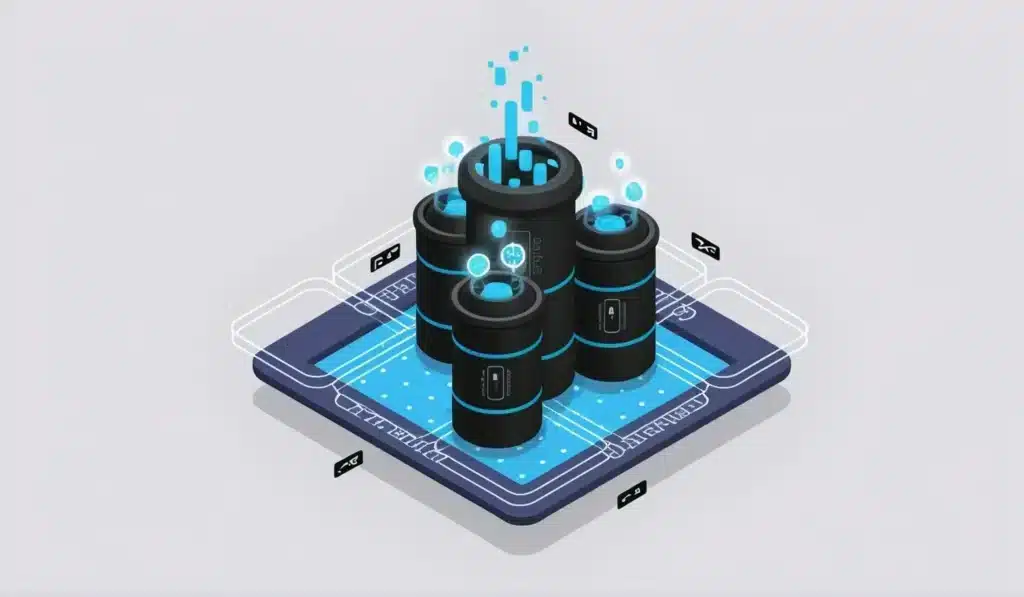
In today’s rapidly evolving tech landscape, understanding io.net’s contributions to ecosystem growth is essential for innovators and stakeholders in AI-driven applications. This platform is reshaping how decentralized GPU networks operate, providing valuable insights into optimizing resources for growth and innovation.
Unpacking the Role of io.net in Ecosystem Growth
io.net has positioned itself as a leading player in the tech ecosystem, particularly in the field of decentralized computing. At its core, io.net functions as a decentralized GPU network that facilitates high-performance operations crucial for AI-driven applications. This innovative platform significantly optimizes resource allocation, thereby enhancing efficiency and scalability in various digital domains. As reported, io.net has a remarkable ability to deploy and manage GPU clusters from geographically distributed data centers, providing crucial support to AI and machine learning processes in a cost-effective manner according to a recent analysis.
As a decentralized GPU network, io.net fosters collaboration and competition among developers. These factors are essential for innovation, making the ecosystem more dynamic. The seamless integration of io.net within existing networks amplifies its impact, establishing a foundation for future growth and development within the tech ecosystem.
The Importance of Decentralized GPU Networks
Decentralized GPU networks, such as io.net, provide numerous benefits that significantly influence ecosystem growth. First and foremost, they enable users to access substantial computational power without necessitating significant upfront investment in hardware. This means that startups and smaller enterprises can compete on a more level playing field. Moreover, decentralized networks enhance processing efficiency by distributing workloads across various nodes, leading to faster data processing and better resource utilization.
Some notable examples of platforms that utilize decentralized GPU networks include Render and Filecoin. These platforms not only allow developers to access vast computational resources but also promote collaboration within the ecosystem. Consequently, the positive impact of decentralized GPU networks on innovation is more pronounced, as they encourage experimentation and the emergence of new ideas as highlighted in industry assessments.
In essence, decentralized GPU networks play a pivotal role in fostering growth by enhancing accessibility and efficiency. Without them, many innovators would face insurmountable barriers to entering the field.
Current Trends in AI-Driven Applications
Today, we witness a surge in emerging AI-driven applications across various sectors, from healthcare to finance. These applications often rely on substantial computational resources to power their algorithms and processes. io.net has proactively positioned itself to support these developments by ensuring that AI innovators have access to high-performance GPUs at their fingertips.
Through its intuitive infrastructure, io.net aids the rapid development of AI applications by providing the necessary computational power needed to handle complex tasks and large data sets. As evidenced by the thousands of GPUs available via the io.net network, the platform continues to support low-latency, high-performance use cases, benefitting AI developers immensely. This demand reinforces the critical role that decentralized networks play in driving AI advancement and overall ecosystem growth according to specialized publications.
How io.net Integrates with Other Networks
One of the standout features of io.net is its ability to integrate seamlessly with other decentralized networks, such as Render and Filecoin. This collaboration enhances the overall computational capacity, providing developers with even greater resources to fuel their AI innovations. By tapping into the infrastructure of other established networks, io.net significantly amplifies its efficacy and reach.
These integrations not only facilitate cost reductions but also streamline the development process for AI applications. Developers leveraging io.net can benefit from a sustainable and steady source of computational power, reducing the time and effort necessary for AI project deployment. Such cross-network collaboration showcases the flexibility and adaptability that current decentralized frameworks offer, ultimately contributing to their growth and sustainability.
Navigating Challenges in AI Ecosystem Growth
Despite the numerous benefits associated with decentralized networks, challenges remain. Key issues include scalability, regulatory compliance, and resource allocation. For instance, while the growth of AI presents vast opportunities, it also necessitates a robust infrastructure capable of handling larger and more complex tasks. This is where io.net comes into play, effectively addressing these challenges by offering a reliable, decentralized framework that scales according to demand.
Moreover, innovation holds the key to combating these obstacles. io.net’s commitment to continuously evolving its technologies ensures that it remains at the forefront of these developments. By prioritizing innovative solutions, io.net not only addresses immediate concerns but also anticipates future challenges in the AI landscape, ensuring a sustainable ecosystem for all stakeholders involved.
Actionable Steps for Innovators in AI and Decentralization
For innovators looking to harness the power of io.net’s infrastructure, several actionable strategies can be employed. First, developers should engage with the io.net platform to familiarize themselves with its capabilities. This step is essential for effectively integrating decentralized applications into their projects.
Second, forming partnerships with other developers and organizations within the ecosystem can promote collaboration and knowledge sharing. Building a network of peers can amplify innovation and provide crucial support.
Lastly, staying informed about trends in decentralized computing and AI development will allow innovators to adapt and refine their strategies, ensuring they remain relevant in a fast-evolving landscape. As the ecosystem continues to grow, the opportunities for innovation remain vast, providing an exciting future for AI and decentralization enthusiasts.
About The Author