How Artists Are Using Pixels to Transform Their Creations
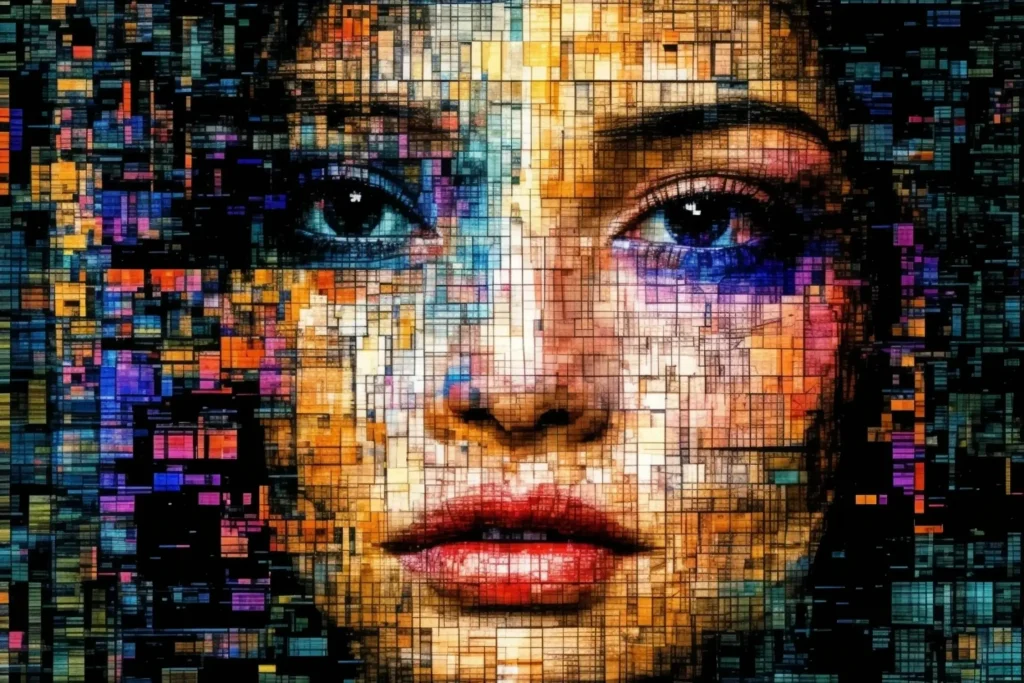
The intersection of pixels and digital technology is rapidly evolving, presenting artists with innovative ways to showcase their work and connect with audiences. Right now, the fusion of pixels with NFTs and blockchain technology offers a unique opportunity for creators to monetize their digital assets.
Pixels Revolutionizing Digital Art Ownership
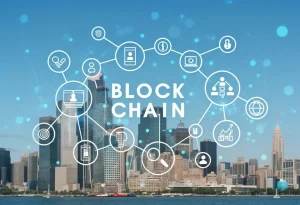
Pixels have fundamentally changed how digital artworks are perceived and owned. By tokenizing art, artists can now create unique digital assets that maintain their value over time. This process, supported by blockchain technology, ensures that every piece of art has a verifiable and immutable identity. Blockchain acts as a digital ledger that records ownership and provenance, providing peace of mind to collectors. According to Coins.ph, this evolution allows for secure transactions and ownership transfers in the world of digital art.
Collectors today enjoy an enriched experience, thanks to the enhanced security and transparency afforded by the blockchain. They can buy, sell, or trade digital art pieces with a level of authenticity that was previously unattainable. This gradual but profound shift makes the art marketplace more inclusive, as artists and collectors from around the globe can engage without geographical barriers.
The Role of NFTs in Artistic Transformation
Non-fungible tokens (NFTs) have become a central player in the contemporary art world. They enable artists to digitize their creations and sell them as unique items, directly connecting them with their audience. The significance of NFTs lies not only in their ability to represent ownership but also in how they challenge previous notions of art’s value and distribution. Some artists create limited edition pieces, driving demand and exclusivity. However, the rise of NFTs has not been without challenges; as noted in industry analyses, issues surrounding copyright infringement and high transaction fees on some platforms can deter new artists from entering the NFT space.
To maximize their reach, artists must navigate these hurdles effectively. By employing strategic marketing and using social media platforms, they can promote their NFTs and cultivate a following. Artists harness the internet’s power to create communities around their work, leveraging direct sales models to foster deeper connections with their collectors.
Current Landscape of Blockchain Technology in Art
The rapid advancements in blockchain technology have markedly influenced the art world. Innovations such as Ethereum and its smart contracts streamline the creation, sale, and transfer of digital artworks. Artists can now ensure their rights and receive royalties from secondary sales, providing them with continued financial benefits. The security offered by blockchain technology also plays a vital role; it can verify the authenticity of artworks, thus combating forgery and fraud in the digital landscape.
However, as the market matures, potential future trends warrant consideration. Emerging technologies, like augmented reality (AR) and virtual reality (VR), could enable more interactive and immersive art experiences. These advancements might redefine how audiences engage with art, pushing the boundaries of what is possible with pixels.
Artists’ Perspectives on Digital Assets
Insights from artists themselves reveal the myriad benefits of adopting digital assets. Many express that the digital landscape offers unprecedented independence and flexibility, allowing them to produce work without traditional gatekeeping. This freedom can inspire creativity and innovation. Moreover, digital assets empower artists to develop direct relationships with their fans, as community-building becomes essential in this space. Engaging audiences through exclusive content or special events has become a viable strategy for digital creators.
Additionally, artists can utilize social media platforms to share behind-the-scenes content, further deepening their connection with followers. By leveraging digital channels, they are not only promoting their work but also cultivating a robust community that celebrates creativity and collaboration.
Commercializing Art: Opportunities and Challenges
The commercialization of digital art presents both opportunities and challenges. Artists can reach diverse audiences and explore new revenue streams that extend beyond traditional galleries. However, to thrive in this evolving market, a thorough understanding of the legal implications of NFT ownership is crucial. Artists must navigate copyright laws and ensure that their rights are safeguarded when their works are tokenized.
Sustainability is another pressing concern, as the high energy consumption associated with blockchain technology has prompted discussions about its impact on the environment. Many artists are advocating for eco-friendly solutions, such as using platforms that prioritize energy efficiency. The transition to a greener approach could enhance the appeal of digital art in the eyes of environmentally conscious consumers.
Community Engagement in the Web3 Age
Community plays a pivotal role in shaping the digital art experience in the Web3 era. Artists are increasingly focusing on building connections through digital platforms, which allow for interaction and collaboration among creators and collectors. This sense of belonging fosters loyalty and increases engagement as fans feel more invested in the artists’ journeys.
Social aspects of blockchain technology further enhance community dynamics in art spaces. Artists can host virtual galleries, showcase their work, and interact with their audience in real-time. This engagement creates a shared experience, turning passive viewers into active participants, reinforcing the idea that art is not only a commodity but a communal experience.
Future of Pixels in Creative Expression
Looking ahead, the future of pixels in creative expression appears bright. Evolving trends indicate that digital art will continue to integrate more sophisticated technologies, potentially incorporating AI and machine learning to create dynamic and interactive pieces. Such advancements may redefine artistic boundaries, opening new horizons for creativity.
As this digital transformation in the art world continues, artists and collectors alike must adapt. By embracing innovative tools and platforms, they can remain relevant and influential in a rapidly changing landscape. The synergy between pixels and technology promises to shape the future of art in profound ways, inviting all stakeholders to explore new dimensions of creativity.
About The Author