The Hidden Truth About Economic Factors Impacting Crypto Growth
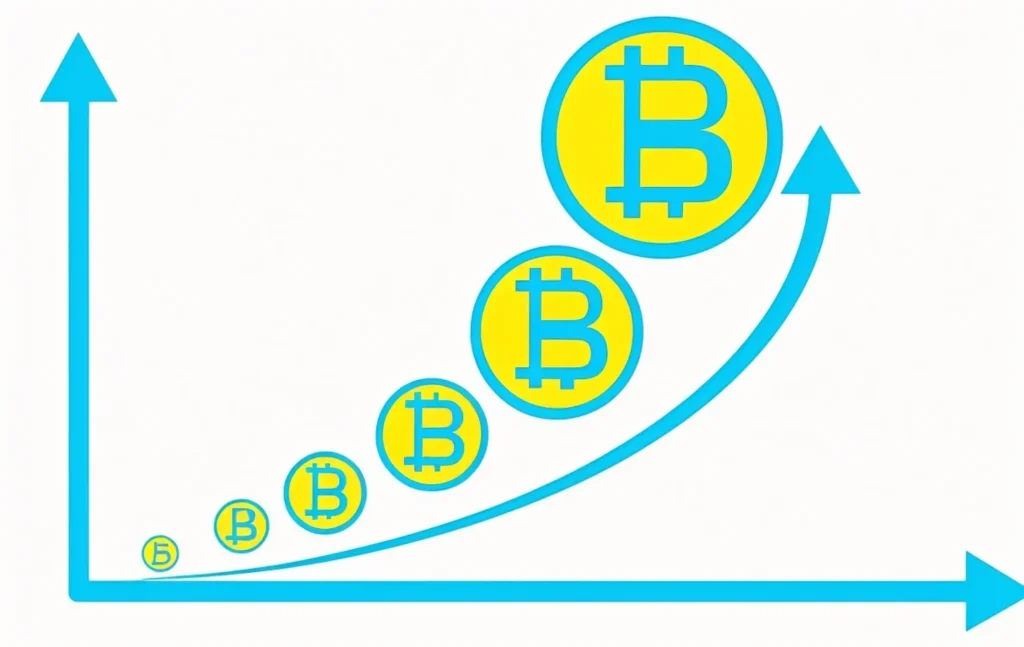
The intersection of Economic Trends and the crypto economy is crucial as market growth and financial forecasts reveal significant patterns that could affect investments and strategies. Understanding these factors is key for anyone engaged in the crypto space to navigate potential future shifts effectively.
Why Economic Trends Matter for Crypto Growth
Economic conditions play a pivotal role in shaping the dynamics of the crypto economy. Investors often look to economic trends to inform their decisions, as they can influence market sentiments and behaviors. For example, as inflation rates rise, historical data suggests that cryptocurrencies may either act as a hedge or face volatility based on investor reactions. Emerging economic forecasts, like those articulated by Jamie Dimon, suggest that persistent inflation and geopolitical issues could severely impact the market (Yahoo Finance).
Key indicators to keep an eye on include employment rates, consumer spending, and interest rates. These metrics not only provide clarity about current economic conditions but also serve as predictors for potential growth in the crypto economy. Therefore, regular analysis of these indicators is essential for making informed investment decisions in an ever-evolving landscape.
Impact of Inflation on Market Dynamics
Inflation impacts the crypto market dynamics in several ways. When inflation rises, the purchasing power of consumers often declines, which can lead to decreased spending in traditional markets and a potential shift toward digital assets. Research shows that during periods of high inflation, investors may lean more towards cryptocurrencies as a form of value preservation (Forbes).
Moreover, comparing cryptocurrencies with traditional financial markets illuminates intriguing patterns. On one hand, cryptocurrencies such as Bitcoin and Ethereum often exhibit a higher risk profile; on the other hand, their performance can also shine in inflationary environments compared to stagnant stocks or bonds. As inflation trends shift, consumers may adapt their strategies, causing fluctuating demand in crypto investments.
Consumer Behavior in Inflationary Times
In inflationary times, consumer behavior shifts notably. People seek refuge in assets that are perceived to hold value. This behavioral change often fuels speculative interest in the crypto space, where price volatility can lead to substantial gains or losses. As a result, traders and long-term investors alike must stay vigilant in monitoring both inflation rates and market reactions.
Artificial Intelligence and Economic Transformation
Artificial Intelligence (AI) is rapidly transforming the financial landscape. As AI technology integrates into trading strategies and investment decisions, its influence on market growth in the crypto space cannot be ignored. AI algorithms are increasingly used to analyze data trends and execute trades with remarkable speed, presenting a dual-edged sword for investors.
Adoption of AI can lead to improved market efficiencies but may also exacerbate volatility as algorithms react to rapid market changes. Ethical considerations arise, particularly regarding the potential for algorithms to manipulate market behaviors unduly. The productivity shifts driven by AI further complicate how investments should be approached, emphasising the necessity for investors to be flexible and informed in their decisions.
Geopolitical Factors Shaping the Crypto Economy
Geopolitical tensions can significantly affect financial forecasts and the broader crypto economy. Events such as trade wars, political unrest, and international sanctions often send ripples through financial markets, including digital currencies. For instance, recent geopolitical conflicts have historically instigated shifts in crypto values as investors seek safer assets (Yahoo Finance).
Considering case studies of past market responses illustrates the interconnectedness of global economies and crypto dynamics. When political conditions fluctuate, cryptocurrencies sometimes emerge as alternative asset classes, allowing investors to circumvent restrictive policies imposed on traditional financial markets. This highlights the resilience and adaptability of the crypto sector amid global uncertainties.

Strategies for Thriving in a Volatile Environment
Navigating a volatile crypto market requires strategic planning. Investors must implement actionable steps to mitigate risks while maximizing potential gains.
– Diversification: Spreading investments across various cryptocurrencies can reduce the impact of losses from single assets.
– Risk Management: Establishing stop-loss orders and limiting exposure can help safeguard against sudden market downturns.
– Staying Informed: Knowledge of economic trends and market shifts equips investors to make real-time adjustments when necessary.
Being adaptable allows one to thrive even when faced with economic uncertainty.
Preparing for Potential Economic Downturns
As history reveals, economic downturns are often accompanied by significant shifts in market dynamics. Signs of an impending recession typically include rising unemployment rates, decreased consumer spending, and declining GDP growth. Investors in the crypto market must be vigilant and anticipate such potential downturns.
Strategies to safeguard crypto investments during downturns include:
– Rebalancing Portfolio: Frequently reassessing the portfolio helps to prioritize assets with strong fundamentals.
– Avoiding Panic Selling: Maintaining a long-term perspective can prevent hasty decisions based on short-term market conditions.
– Learning from Precedents: Historical analysis offers insights into preparing for future crises, enabling investors to navigate the turbulent waters effectively.
The Future of Crypto Amid Economic Uncertainty
Looking forward, the long-term growth potential of crypto remains bright despite increased economic volatility. Emerging trends such as increased institutional adoption and regulatory clarity are likely to impact market growth positively. Increased innovation within blockchain technology promises to expand the crypto landscape.
Encouraging proactive engagement with market changes will empower investors to make informed decisions. As highlighted by Jamie Dimon, awareness of factors like inflation, AI advancements, and geopolitical issues will become increasingly vital for future planning. As the economic environment continues to evolve, so too will the strategies and opportunities within the crypto economy.
About The Author