Why Economic Reflation Is About to Change Everything for Bitcoin Prices
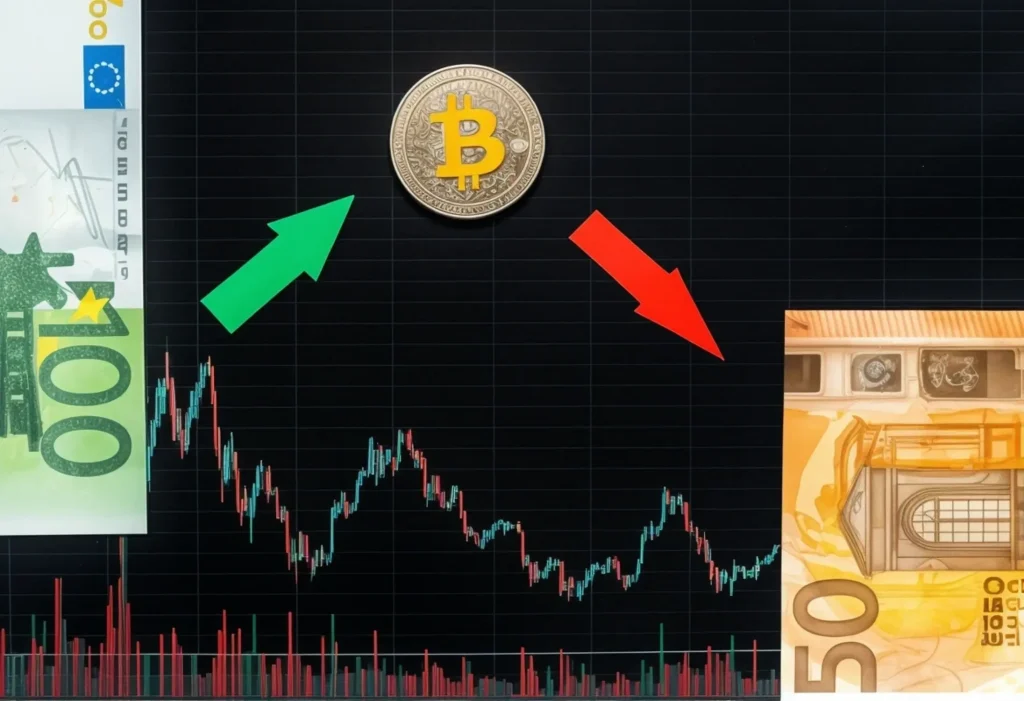
Economic reflation represents a crucial turning point for Bitcoin prices, shaping investment strategies and broader financial markets. As economic conditions shift, understanding the connection between reflation and Bitcoin is essential for investors aiming to navigate this evolving landscape.
Understanding Economic Reflation and Its Impact on Bitcoin
Economic reflation refers to policies aimed at increasing economic activity by raising demand and, consequently, inflation. This approach often includes measures like lowering interest rates or increasing government spending to stimulate growth. Such strategies become particularly important during periods of economic stagnation, where inflationary pressures are considered necessary to rekindle consumer spending. According to recent analysis, a comprehensive understanding of how reflation impacts various economic sectors is vital for successful investment decisions.
Historically, the effects of reflation on cryptocurrencies have varied. For instance, during the post-2008 financial crisis, Bitcoin emerged as an attractive alternative investment, partly due to fears of currency devaluation and inflation. As more investors turned to Bitcoin, its price surged, showcasing its potential as a digital hedge against traditional economic fluctuations. Currently, as governments worldwide consider reflationary measures, Bitcoin’s unique position offers a critical lens through which to assess future market dynamics.
Current Bitcoin Price Projections Amid Economic Changes
Recent trends indicate that Bitcoin prices are exhibiting heightened volatility as markets react to global economic indicators. Notably, analysts project a significant uptick in Bitcoin’s value, predicting that it may reach all-time highs should the reflationary policies take hold. Various market experts cite that, during previous reflationary environments, Bitcoin has often prospered as investors seek alternatives to traditional assets, thus driving demand upward. According to a report from industry experts, this time, projections should be cautiously optimistic, given the historical patterns observed.
Several factors contribute to these price changes during reflationary periods. Primary among them are increased liquidity in the markets and a growing acceptance of Bitcoin as a legitimate asset class. Furthermore, cryptocurrency infrastructure improvements, such as enhanced trading platforms and more secure wallets, contribute to a more favorable environment for investment.
Why Reflation Matters for Crypto Investments
Understanding the relationship between macroeconomic policies and Bitcoin value is crucial. As traditional assets like equities and bonds face potential downturns during economic shifts, investors often look to cryptocurrencies for resilience. The meltdown of conventional asset classes creates openings for innovations like Bitcoin to gain traction, drawing interest due to its decentralized nature and limited supply. This dynamic is particularly relevant as governments deploy reflation strategies, which may inadvertently undermine trust in fiat currencies.
During these periods of economic growth spurred by reflation, investors may experience newfound opportunities. Identifying the right moments to enter the Bitcoin market can lead to substantial profits, especially as increased liquidity stimulates upward momentum in prices. Consequently, those willing to embrace Bitcoin investment during these critical junctures might find themselves reaping the rewards of this evolving economic landscape.
Analyzing the Influence of Interest Rates on Bitcoin
Monetary policy, particularly interest rates, plays a significant role in Bitcoin trading by influencing investor behavior. When central banks lower interest rates, borrowing costs drop, making alternative investments like Bitcoin more attractive. This phenomenon was evident during the aftermath of the 2008 financial crisis, where rates were significantly reduced, and Bitcoin experienced a meteoric rise, ultimately leading to its establishment in the financial landscape. The correlation between interest rates and Bitcoin prices suggests that as rates decline, Bitcoin may become an even more appealing investment
Case studies further illustrate how Bitcoin has historically responded to interest rate changes. In the aftermath of substantial rate cuts, Bitcoin has typically rallied as investors search for assets that offer protection against inflation and currency devaluation. Collectively, these observations underscore the importance of monitoring central bank policies in the context of Bitcoin investment.
Strategies for Investing in Bitcoin During Reflation
Navigating the crypto market during periods of reflation requires a strategic approach. Investors should consider the following practical tips when investing in Bitcoin:
– Diversification: Combine Bitcoin investments with other asset classes to mitigate risk while maintaining exposure to potential gains.
– Market Timing: Analyze market trends and global economic indicators to identify optimal entry points for Bitcoin purchases.
– Stay Informed: Continuously assess changes in monetary policy, as they often indicate shifts in Bitcoin’s favorable positioning.
Timing and comprehensive market analysis are critical in this evolving landscape. By staying attuned to ongoing changes in the economic environment, investors are better positioned to capitalize on Bitcoin’s potential.
Future of Bitcoin in a Reflationary Economy
Looking ahead, Bitcoin holds substantial potential as a hedge against inflation, which is becoming increasingly relevant in today’s economic discussions. Experts weigh in on Bitcoin’s future, suggesting that it could ask for increased legitimacy as an asset class as reflationary measures proliferate. The logical progression sees more institutions adopting Bitcoin into their investment portfolios, further legitimizing its status.
Additionally, regulatory impacts are anticipated to shape the Bitcoin market profoundly. As government interest in monitoring and potentially regulating cryptocurrencies grows, the landscape could become more structured, providing both risks and opportunities for investors. Overall, the intersection between reflationary economic policies and Bitcoin’s growth trajectory presents a fertile ground for speculation and investment insight.
Conclusion: Preparing for Changes in Bitcoin Landscape
The analysis presented highlights the multifaceted relationship between economic reflation and Bitcoin price movements. Investors must remain proactive, leveraging insights from historical patterns and current market behaviors. As we anticipate changes in the Bitcoin landscape, a proactive approach tailored toward understanding the dynamics of reflation will be vital for navigating successful investment pathways. By preparing for these economic shifts, investors can position themselves to take advantage of the unfolding opportunities within the cryptocurrency market.
About The Author