The Hidden Truth About Bitcoin’s Plummet: What You Must Know Now
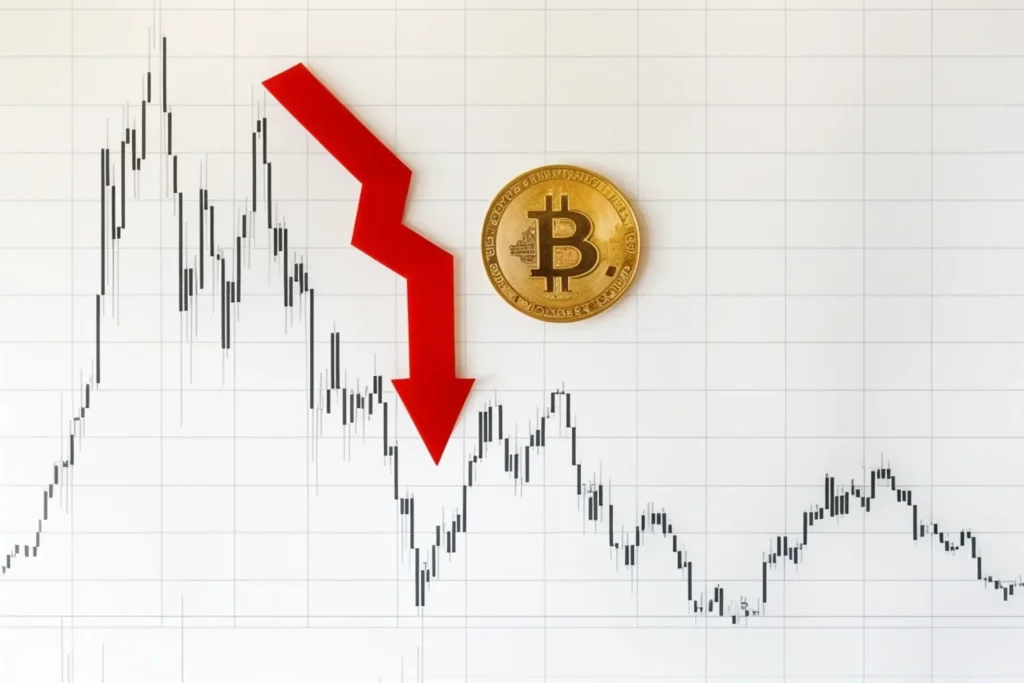
The recent Bitcoin price drop reflects deeper issues within the cryptocurrency market, influenced by economic fears and institutional actions. Understanding these dynamics is crucial for investors and enthusiasts alike as this could affect future investments and market stability.
The Impact of Bitcoin Price Drop on Investors
Bitcoin price fluctuations can have profound implications for both individual and institutional investors. As prices drop, emotions can run high, prompting many to make impulsive decisions rather than rational choices. As Bitcoin recently flitted around the $85,000 mark, it was down significantly from its record high of over $126,000 earlier in the month, causing sheer panic among some traders and investors alike, as noted by PBS NewsHour.
Institutional investors are particularly sensitive to such shifts. Many have committed substantial capital, leaving them exposed to significant losses when the Bitcoin price drops. This can lead to increased sell-offs, resulting in a cascading effect that further depresses prices. For instance, in November alone, investors pulled $3.6 billion out of spot bitcoin ETFs, marking the largest monthly outflow since trading began, emphasizing the hesitance and fear swirling among market stakeholders.
Understanding these emotional dynamics helps contextualize investor behavior during downturns, spotlighting the necessity of a strong psychological and strategic approach to trading.
Causes of Bitcoin Market Struggles
Several factors converge to catalyze the current Bitcoin price drop. Among these, the most pressing concerns revolve around institutional selling trends, regulatory shifts, and broader economic factors. Notably, institutional players have significantly weighed into the market, exacerbating its volatility. Increased sell-offs by firms and investment groups can lead to dramatic price fluctuations. For example, major players like Coinbase have been implicated in this ongoing struggle, facing losses as a direct consequence of plummeting Bitcoin value, as reported by The Telegraph.
Moreover, regulatory scrutiny is increasing, placing additional strain on an already fragile market. As governments look to impose stricter controls, uncertainty looms, causing hesitation among both institutional and retail investors. These market conditions create an environment ripe for instability and uncertainty.
Economic Fears and Their Influence on Bitcoin
Economic fears profoundly influence cryptocurrency investments, particularly Bitcoin. With the fluctuating health of fiat currencies, many investors look to Bitcoin as a hedge. However, when the market perceives economic instability, Bitcoin’s value becomes increasingly correlated to traditional economic indicators. As fiat currencies engage in tumultuous behavior, Bitcoin often suffers alongside, leading to a significant price drop.
Investor psychology plays an essential role amid these economic uncertainties. Many in this market seem to embrace a herd mentality, with decisions guided by external fears and uncertainties rather than fundamental assessments of Bitcoin’s long-term value. Consequently, a sudden shift in economic sentiment can provoke panicked selling, further accelerating the price decline.

Crypto Sell-Off: Understanding the Trend
The recent crypto sell-off can be attributed to multiple converging factors, some of which draw from the broader economic narrative. As various companies begin to feel the pressure from decreased Bitcoin valuations, many have reported significant losses. Notable firms like Robinhood Markets and Riot Platforms have experienced tough quarters, primarily linked to Bitcoin’s downturn.
Further predicting the market’s resilience is equally essential. Some analysts suggest that Bitcoin might rebound, as historical patterns of sell-offs often lead to eventual recoveries. However, the path to recovery seems fraught with potential pitfalls as detailed reports indicate lingering doubts about the market’s stability.
Strategic Responses to Market Changes
In light of the prevalent market volatility, stakeholders must adopt strategic responses to safeguard their investments. Here are some actionable strategies:
– Diversifying portfolios: Spread risk by including various asset classes to cushion against severe drops in Bitcoin.
– Staying informed: Regularly monitor market trends and regulatory updates to adapt quickly.
– Emotion management: Cultivate emotional intelligence to resist impulsive decisions during downturns.
Implementing these strategies can help investors sustain their positions and mitigate losses.
Future Outlook for Bitcoin and Cryptocurrency
The potential recovery paths for Bitcoin are worth assessing, especially after its recent plummet. Emerging patterns and shifts in market sentiment will play a critical role. Bitcoin’s capacity to recover hinges on how both individual and institutional investors respond to the current economic fears and market struggles.
Long-term investment strategies will become essential as the landscape shifts. Investors should remain attentive to emerging trends, market positions, and the underlying factors that may influence Bitcoin’s valuation in the future. With a balanced approach, individuals can navigate the shifting tides, gaining from long-term positions while being mindful of the inherent risks in this volatile market.
About The Author