The Hidden Truth About U.S. Economic Policy and Crypto Regulation
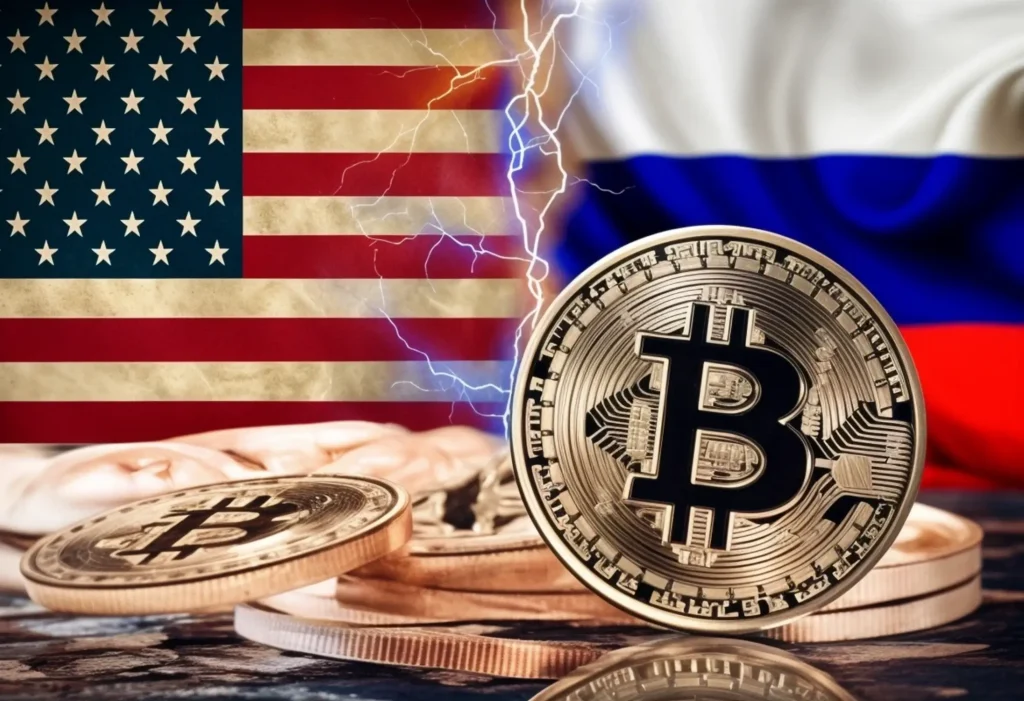
The intersection of U.S. economic policy and crypto regulation has profound implications for investors and the overall market landscape. As inflation rises and the Federal Reserve sets new strategies, understanding these shifts can empower individuals to navigate the evolving financial ecosystem.
Current Challenges in U.S. Economic Policy
U.S. economic policy currently grapples with multiple challenges, primarily inflation and fluctuating market conditions. Inflation, particularly, has surged, affecting purchasing power and consumer confidence. The Federal Reserve’s recent decisions indicate an ongoing effort to combat this inflation by adjusting interest rates, which has far-reaching consequences, especially for cryptocurrencies. For instance, an analysis suggests that these policy changes can lead to increased volatility in crypto markets as investors seek refuge in assets perceived as hedges against inflation.
The economic signals sent by the Fed significantly shape investor behavior. As interest rates rise, borrowing costs increase, impacting various sectors including real estate, consumer goods, and cryptocurrencies. In particular, higher rates tend to decrease demand for riskier assets such as cryptocurrencies, leading to market corrections. Therefore, understanding these key issues is critical for investors looking to remain resilient in a turbulent economic landscape.
How Federal Reserve Decisions Impact the Crypto Market
The Federal Reserve’s decisions play a pivotal role in shaping the crypto market. Recently, the Fed has implemented several strategies aimed at stabilizing the economy, which have directly affected market behavior. For example, decisions to increase interest rates to counter inflation have had a demonstrable impact on investor behavior in the cryptocurrency sector. An overview highlights that recent market sell-offs, including cryptocurrencies, correlate with Fed actions, illustrating how interconnected traditional finance and crypto have become.
Investors in the crypto community have reacted with caution to these shifts. Many have adjusted their portfolios in response to perceived risk, opting for more stable investments during such turbulent times. Moreover, market trends following Fed announcements show a pattern of increased volatility, with sharp price movements often observed in cryptocurrencies. These reactions underline the importance of closely monitoring Federal Reserve policies when investing in digital currencies.
The Role of Inflation in Bitcoin’s Value
Bitcoin, often viewed as a digital hedge against inflation, has shown a complex relationship with inflation rates. Understanding how inflation impacts Bitcoin’s value is crucial for investors. As inflation rates rise, the value of fiat currencies tends to decline, pushing investors towards Bitcoin as a store of value. historical data points indicate a correlation between rising inflation and Bitcoin fluctuations, making it an appealing option during economic uncertainty.
Investor sentiment during inflationary periods often leads to increased interest in Bitcoin. For instance, when inflation fears escalate, many view Bitcoin as a safeguard against devaluation of traditional currency. However, the relationship is not always straightforward, and Bitcoin can also experience significant volatility even amid rising inflation. According to market observations, Bitcoin has dropped sharply alongside inflationary concerns, indicating that the relationship between economic indicators and its price may be more complex than initially thought.
Impacts of Crypto Regulation on Market Stability
The regulatory landscape for cryptocurrencies is continually evolving. Current regulatory frameworks are designed to bring clarity and stability to the market. However, these regulations can also pose challenges, creating uncertainty for investors. Regulatory scrutiny often leads to market fluctuations as investors react to news or changes in policy. For example, new regulations aimed at increasing transparency can lead to decreased volatility, while stringent measures may result in panic selling.
Assessing the impact of these regulations on market stability is vital for investors. Effective regulations could enhance market integrity, but overly restrictive measures may stifle innovation and deter new participants. Furthermore, as the crypto market continues to mature, finding a balance between sufficient regulation and fostering innovation will be essential for maintaining stability and growth.
Public Perception and Response to Economic Policy
Public sentiment regarding U.S. economic policy and its implications for cryptocurrencies is varied. Many individuals express concern over inflation and the Fed’s response to it. As market volatility continues, the community’s response to Fed actions and economic measures has varied widely. According to recent studies, key indicators of public sentiment indicate a growing skepticism toward traditional financial systems, pushing many towards cryptocurrencies as an alternative investment.
Community forums often reflect a blend of anxiety and optimism, where individuals voice their frustrations with inflation and the Fed’s handling of economic policy. This dynamic plays a critical role in shaping how individuals perceive cryptocurrencies as viable investments in the current landscape. As public opinion evolves, it will undoubtedly influence market trends and investor behavior in the cryptocurrency sector.
Strategies for Navigating Economic and Crypto Landscapes
In light of the current economic situation, investors need effective strategies to navigate the shifting landscapes of both economic policy and the crypto market. First, staying informed about Federal Reserve decisions and economic indicators is paramount. Knowledge of interest rate changes and economic reports can help guide investment decisions.
Additionally, portfolio diversification is crucial in times of economic uncertainty. Allocating assets across various sectors, including cryptocurrencies, can mitigate risks associated with market volatility. Investors should also consider the emerging trends in crypto regulations and adjust their strategies accordingly to maximize benefits in a rapidly changing environment. Potential tools such as financial news aggregators can help investors keep tabs on regulation changes and market insights efficiently.
Future Implications for U.S. Economic Policy and Crypto
Looking ahead, potential developments in U.S. economic policy could significantly impact the cryptocurrency market. Ongoing debates regarding inflation control, interest rates, and crypto regulations will play key roles in shaping market dynamics. Experts suggest that if inflation persists, more aggressive Fed measures could lead to further volatility in crypto assets, prompting investors to rethink their strategies.
Furthermore, as regulatory frameworks mature, the relationship between these regulations and market stability will likely evolve. Investors should remain vigilant and adaptable, closely monitoring these developments to seize opportunities and mitigate risks. Key areas such as regulatory changes and the Fed’s monetary policy direction will be paramount to watch as they unfold in the coming months.
About The Author