The Hidden Truth About Iran’s Crypto Mining Decline and Its Implications
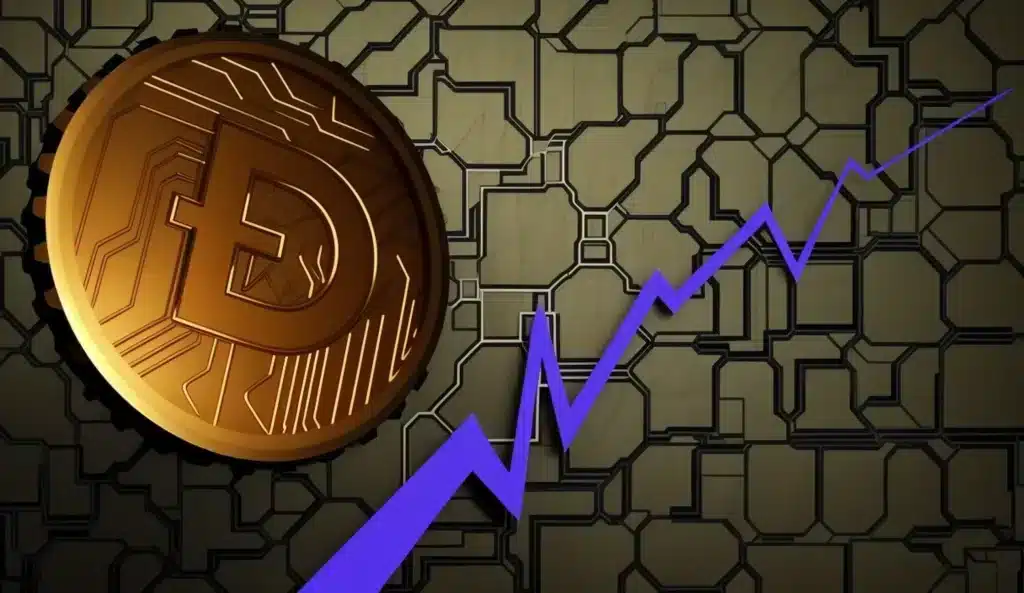
The decline of Iran’s crypto economy is capturing global attention as geopolitical tensions rise and adaptation to sanctions becomes crucial. Understanding Iran’s shifting role in the crypto mining landscape can provide valuable insights into its economy’s potential and global cryptocurrency trends.
Understanding Iran Crypto Economy’s Decline
Iran’s crypto economy has witnessed a remarkable drop in its Bitcoin mining share, plummeting from a peak of 7.5% in 2021 to approximately 2%-5% in early 2026. Some reports even suggest that this figure might now be below 1%, indicating a worrying trend that reflects the broader implications of geopolitical instability and domestic policy changes in Iran. The recent analysis suggests that these fluctuations can be attributed to various factors, including stricter regulations and enforcement measures taken by the Iranian government to control energy consumption in crypto mining, a sector notorious for its heavy demand on electricity.
In addition to domestic regulatory pressures, fluctuating geopolitical tensions play a significant role in shaping Iran’s mining landscape. As tensions between Iran and Western nations, particularly the U.S. and Israel, continue to escalate, mining operations face increasing scrutiny and potential disruptions. For example, experts note that any military conflict threatens not just the physical infrastructure of mining operations but also investor confidence in Iran’s crypto-related ventures. These tensions drive miners to adapt rapidly or even relocate, thus affecting the overall productivity of the sector.
Geopolitical Tensions Shaping Iran’s Crypto Landscape
The intertwined relationship between the U.S. and Israel exerts substantial influence over the Iranian crypto economy. Heightened threats of military action have created an environment where crypto becomes a crucial tool for unofficial financial transactions. International sanctions further complicate this landscape, pushing Iran to utilize cryptocurrency to circumvent traditional banking restrictions. As analysts have highlighted, since the earlier part of 2025, addresses linked to the Islamic Revolutionary Guard Corps accounted for more than 50% of total crypto inflows, signifying the essential role cryptocurrency plays in maintaining financial stability under duress.
Interestingly, as the sanctions tighten, Iran’s crypto economy is transforming, with domestic companies establishing intricate financial networks that help facilitate international trade without relying on conventional banking systems. These networks allow Iranian traders and businesses to continue operating, leveraging the relative anonymity that cryptocurrency provides in transactions.
Current Bitcoin Mining Trends in Iran
Currently, Iran’s contribution to the global Bitcoin mining market is in a state of decline. The country’s miners are grappling with increased operational costs driven by electricity prices and government regulations aimed at curbing excessive energy consumption. Obtaining a stable electricity supply has become increasingly challenging for mining companies, leading to reports of a significant reduction in mining activity.
Reports indicate that while Iran once thrived as one of the top players in Bitcoin mining, recent data suggests its share could drop below 1% as early as 2026. Additionally, outgoing transaction volumes from Iranian exchanges surged by a staggering 700% within minutes of a recent U.S.-Israeli strike, signaling how quickly local entities adapt their strategies in response to geopolitical pressures.
Significant Economic Impact of Crypto Activities
Despite these challenges, Iran’s cryptocurrency economy continues to be valued at a staggering $7.78 billion by 2025, showcasing resilience amidst adversity. This burgeoning market plays a pivotal role in how Iran’s citizens and businesses adapt to the ongoing military conflicts affecting the economy. As noted, the impact of military conflicts often leads to spikes in crypto transaction volumes, as people seek to safeguard their financial assets against the volatility that arises from such tensions.
The intricate relationship between cryptocurrency activities and external pressures illustrates how the Iranian populace remains responsive to market changes. They have increasingly relied on crypto for everyday transactions and as a safeguard for wealth amidst political and financial uncertainties.
Iran’s Crypto Mining Strategy Amid Sanctions
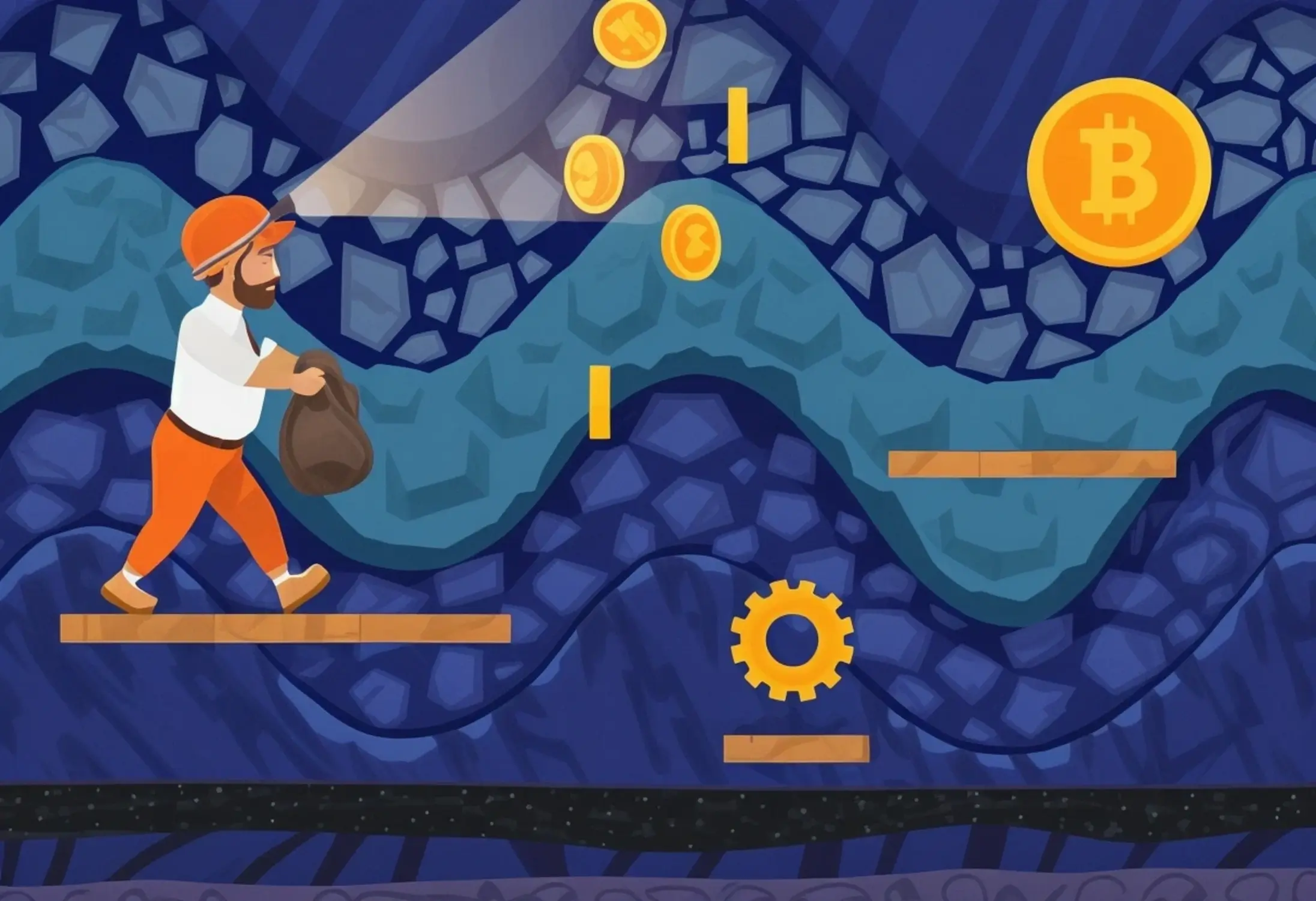
As international sanctions tighten, Iranian miners have been forced to adapt their strategies to remain operational. These adaptations include optimizing mining processes, utilizing renewable energy sources, or seeking alternative power supplies to mitigate the impact of rising costs.
Moreover, the influence of domestic regulations cannot be understated. As government policies evolve, miners often find themselves navigating a complex framework that dictates operational capabilities. Nonetheless, for many, cryptocurrency has become a financial lifeline, providing access to funds that might otherwise be inaccessible due to sanctions. As their economic resilience strengthens, miners are learning to leverage these digital currencies facilitated by a multitude of decentralized networks.
Cryptocurrency as a Financial Channel for Iran
In the evolving financial landscape, cryptocurrencies position themselves as a viable alternative to traditional banking systems in Iran. This structural shift is especially crucial for citizens facing external pressures, as the Islamic Revolutionary Guard Corps plays a significant role in guiding and influencing crypto inflows. The future landscape of Iran’s cryptocurrency economy remains uncertain but filled with potential viable channels for economic activity that can flourish irrespective of conventional sanctions.
In conclusion, as geopolitical dynamics shift and the nation’s strategies evolve, it is essential to monitor how Iran’s crypto economy interacts with these emerging complexities, especially considering its potential to redefine economic lifelines in times of tension.
About The Author