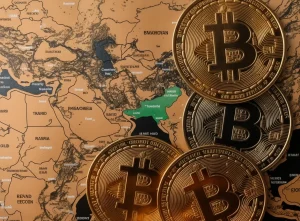
Why Kazakhstan’s $350M Crypto Investment Could Change Its Economic Future

Kazakhstan’s $350 million crypto investment stands at the forefront of economic transformation, positioning the country to leverage digital currencies and blockchain technology. This initiative could significantly reshape the crypto economy, attracting global investments and fostering national cryptocurrency strategies crucial right now.
Kazakhstan crypto investment reshaping the landscape
Kazakhstan’s strategic $350 million crypto investment marks a decisive shift in its economic landscape. This significant infusion of capital signals a commitment to becoming a nucleus for crypto activity. The implications of this investment are vast. Increased foreign investments are anticipated as global players recognize Kazakhstan as a viable destination for blockchain innovations.
Furthermore, local businesses and startups within the crypto sector can expect a substantial boost in development opportunities. As reported by industry sources, Kazakhstan is actively cultivating an ecosystem supportive of crypto initiatives. This shift not only elevates the nation’s status in the global crypto arena but also fuels innovation, positioning Kazakhstan as a leader in emerging digital economies. Such transformation can lead to improved infrastructure and technological advancements that stimulate further investments and collaborations.
Key challenges in the crypto economy
Despite the promising outlook, Kazakhstan faces key challenges within its regulatory framework impacting the crypto economy. The existing regulations present hurdles that could hinder the swift adoption of cryptocurrency. For example, regulatory clarity is needed to provide a stable environment for investors. Currently, various sectors are grappling with compliance and operational risks associated with crypto transactions.
Moreover, everyday consumers lack comprehensive understanding and trust in crypto assets, which poses significant obstacles to broader adoption. The challenges are further compounded by economic policies that may not fully align with the aspirations set forth by the national cryptocurrency strategies. By acknowledging these issues, Kazakhstan can better navigate towards a robust crypto future, ensuring policies adapt to the evolving landscape.
Global trends in cryptocurrency investments
Examining global trends in cryptocurrency investments reveals a dynamic sector, where strategies differ significantly from region to region. As Bitcoin investment patterns shift, understanding how Kazakhstan fits into this global narrative becomes essential. Countries like El Salvador and the UAE are setting precedents, emphasizing regulatory frameworks that favor Bitcoin integration into their economies.
Kazakhstan, on its part, seeks to capitalize on these trends. As the global market stabilizes, confidence in cryptocurrencies is expected to increase, leading to greater investment influx into regions adopting favorable policies. By leveraging its geographical and political positioning wisely, Kazakhstan can harness the collective momentum of these global trends to fortify its own crypto initiatives. This juxtaposition not only underscores the potential for substantial gains but also emphasizes the need for strategic alignment with worldwide movements in the crypto space.
Economic policy’s role in crypto adoption
Kazakhstan’s economic policies play a pivotal role in nurturing cryptocurrency growth. These policies should seek to create a favorable environment for crypto investments and entrepreneurship. As noted by experts, supporting frameworks like tax alleviations for crypto startups can drive innovation and attract foreign investments deeply rooted in blockchain technologies.
The intersection of national strategies and crypto investments is crucial. These strategies must ensure consumer rights protection, fostering trust among potential investors. The importance of transparency in transactions and adherence to regulations cannot be overstated as they uphold the integrity of the crypto marketplace. By establishing robust consumer protection measures, Kazakhstan could cultivate a more resilient and thriving crypto economy, echoing sentiments from other regions partnering to safeguard interests amid burgeoning crypto markets.

Strategies for enhancing investor confidence
To enhance investor confidence, Kazakhstan must take proactive measures aimed at ensuring market stability. Clear regulations are paramount for mitigating risks associated with crypto investments. Establishing a framework that delineates operational guidelines for crypto firms can attract sincere investment into the local ecosystem.
The government’s active role in fostering trust cannot be overlooked. Encouraging participation in public discussions regarding regulatory developments can bolster community confidence in cryptocurrency initiatives. Furthermore, creating strategic partnerships with established financial institutions may lead to protective mechanisms that align with investor expectations, thus positioning Kazakhstan as a bastion of stability in the tumultuous crypto landscape.
Future outlook of Kazakhstan’s economic transformation
The future implications of Kazakhstan’s $350 million crypto investment could ripple through the regional economy, generating waves of transformation. Scenarios shaping this future range from fostering robust digital innovation to enhancing international collaboration in the finance sector. Continued investment in blockchain technology, not only as a financial instrument but as a facilitator of diverse applications across industries, will be pivotal.
In reflecting upon Kazakhstan’s trajectory, the significance of continuous innovation and adaptation in the crypto realm is emphasized. Developing a comprehensive ecosystem that nurtures both technical and regulatory advancements will solidify Kazakhstan’s position as an emerging hub in the global digital economy. In an age where innovation drives competitiveness, Kazakhstan’s bold venture into cryptocurrency may well redefine the economic landscape of Central Asia.
About The Author