Why The Recent 39% Drop in Crypto Trading Volumes Matters for Investors
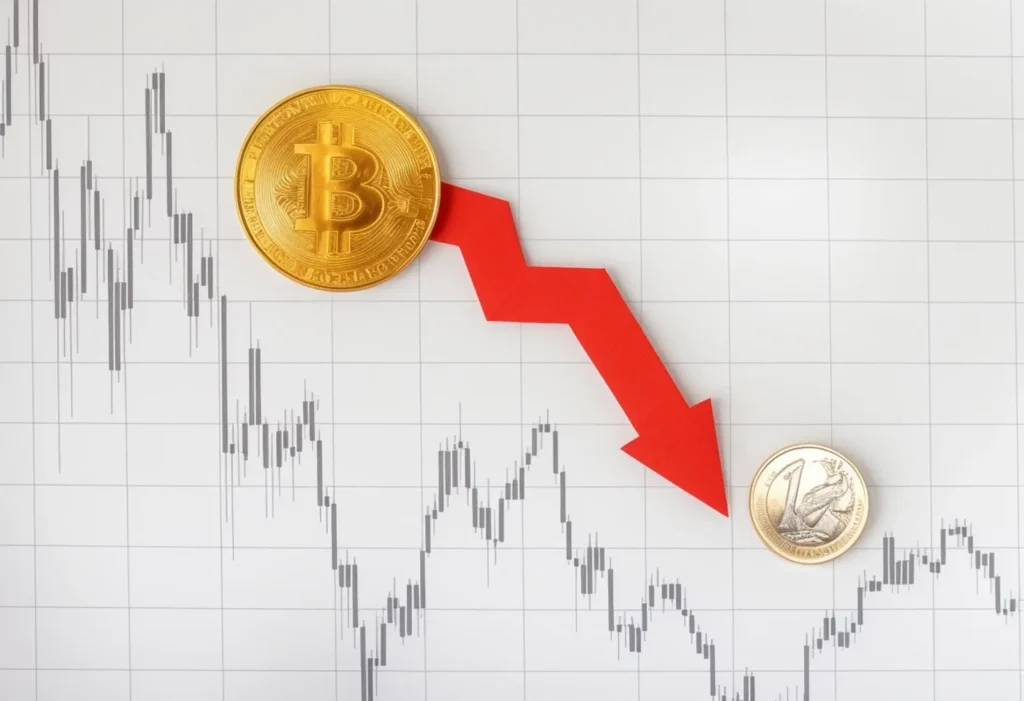
As the crypto market grapples with a significant 39% drop in trading volumes, investors need to understand the implications of this downturn. Current trends in crypto hacks and market dynamics could reshape investment strategies and highlight essential blockchain security measures for safeguarding assets.
Understanding the Crypto Market Downturn
The recent downturn in the crypto market can be attributed to several interlinked factors. An ongoing global economic uncertainty has impacted investor confidence, causing trading volumes to plummet. According to a recent report, trading activity across the top 10 centralized exchanges saw a staggering decline of 39% in Q1 2026, coinciding with a more than 20% drop in overall market cap.
Investors are exhibiting a cautious approach driven by rumors and news of macroeconomic instability, which is reflecting negatively on trading sentiment. Risk aversion has grown, with many investors pulling back on speculative assets, opting instead for safer investments. This cautious behavior is further influencing the trading volumes, as evidenced by a 27% drop in average daily trading activity, which now stands at approximately $117.8 billion. The market appears sluggish, with fewer participants willing to engage in trading in this uncertain landscape.
Implications of Falling Trading Volumes for Investors
A significant decrease in trading volumes has serious implications for the liquidity of cryptocurrencies. Lower trading activity poses risks, particularly for individual investors who may find it increasingly difficult to execute trades without impacting the market price. Liquidity issues can amplify price volatility; a single large transaction may lead to substantial price shifts, thereby making investments riskier.
Furthermore, diminished trading volumes can affect asset valuations. As fewer investors engage in buying and selling activities, pricing may not reflect true market value, creating opportunities for mispriced assets. Traders and long-term investors alike must analyze their strategies to accommodate these changing dynamics. Adapting strategies could mean adjusting entry and exit points, as well as reassessing portfolio allocations to maintain a balanced risk profile.
Recent Crypto Hacks and Their Impact
Security breaches have dominated headlines, further aggravating the decline in trading volumes. The recent surge in high-profile crypto hacks has raised alarms regarding the safety of digital assets. Investors are increasingly aware of these risks; for instance, one must consider how a loss of confidence in security measures translates to reduced trading activity. According to reports, multiple platforms faced crippling hacks, leading to a critical reassessment of security protocols across the industry, as seen in this article.
These breaches not only deter new entrants but also prompt existing traders to withdraw. With diminished trading volumes, liquidity inevitably dwindles, creating a vicious cycle that can spiral into a broader market downturn. Educating oneself about security measures becomes crucial for investors seeking to protect their assets. Implementing multi-factor authentication, choosing reputable exchanges, and utilizing secure wallets can safeguard against potential losses from hacks.
Current State of Trading Volumes
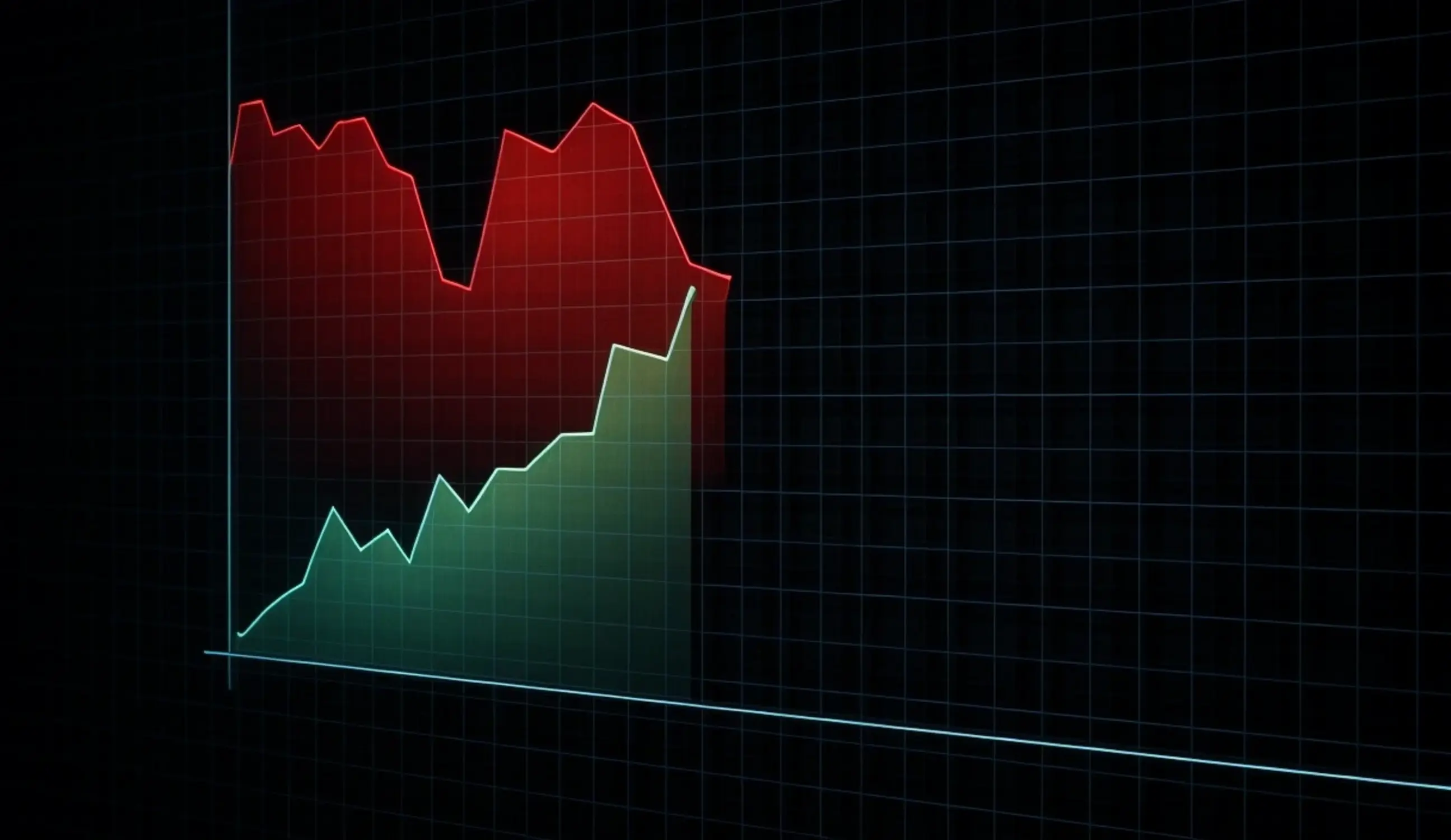
The current state of trading volumes reveals a significant downturn that is reshaping the landscape of cryptocurrency exchanges. Statistical insights indicate that the average daily trading volume across major exchanges has declined steeply, demonstrating a reticent market environment. Bitcoin and Ethereum, two of the premier cryptocurrencies, have not been immune to these shifts. As traders reconsider their strategies, metrics of trading activity reflect this cautious approach.
For instance, a full breakdown of the data shows trades that historically stayed around higher volumes have fallen dramatically. The discussions surrounding liquidating or holding onto digital assets reflect this reality. For investors, it is essential to monitor these trends to understand potential shifts in investor sentiment and liquidity conditions moving forward.
Blockchain Security: Enhancing Investor Confidence
With all the turbulence in trading volumes and rising incidents of hacks, enhancing blockchain security is of the utmost importance. Historically, security lapses have plagued exchanges, leading to loss of funds and investor confidence alike. As such, understanding how to bolster security measures has become essential for crypto investors.
Utilizing best practices can significantly mitigate risks associated with crypto trading. Employing cold storage for long-term holdings, using hardware wallets, and researching the security features of cryptocurrency exchanges can offer solid protection against hacks. Enhanced security not only safeguards assets but also plays a pivotal role in rebuilding investor confidence, which is paramount at a time when trading volumes are dropping.
Actionable Strategies for Navigating Market Changes
In light of the drastic changes in trading volumes, adapting and refining trading strategies is vital for all investors. Here are some key strategies to consider:
– Diversify Investments: Spreading investments across different assets can cushion against volatility and significant losses.
– Stay Informed: Regularly update yourself about market trends and security threats to make informed decisions.
– Be Adaptive: Be prepared to modify trading strategies based on current market conditions.
– Consider Long-Term Versus Short-Term Positions: Depending on your investment horizon, assess whether to maintain positions or cash out to reduce exposure.
Navigating these challenging waters will require diligence, agility, and a keen eye for security practices to protect investments while seizing opportunities as they arise in the crypto space.
About The Author